In short
- ADHD can affect attention, activity and impulse control in many parts of life.
- A good assessment takes a full history, so a quiz or a single score is not enough.
- Medicine is one choice among several, and you can say no to it.
Psychiatry, ADHD
ADHD affects attention, activity and acting on impulse. It can cause real problems at home, at work or in study. A careful assessment looks at your whole life, and support is built around the goals you choose.
Get emergency help now if anyone may be in danger. This includes:
Call 112 or go to the nearest emergency department. See crisis lines.
ADHD is a pattern of inattention, overactivity or acting on impulse that gets in the way of daily life. It belongs to a group of conditions linked to how the brain develops, starting in childhood. Autism and learning difficulties are in the same group.
For a diagnosis, the difficulties happen often. They show up in more than one part of life, such as home and work. They also cause real problems, not just a bad week.

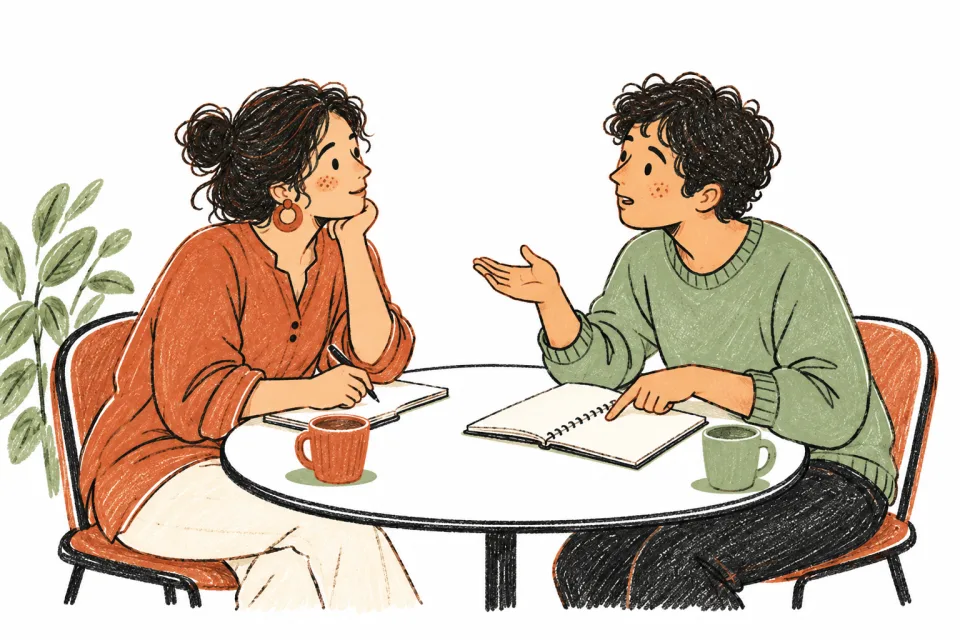
A trained specialist builds a full picture of your history and your life now. This covers childhood, school, work, relationships and health. It may include what a parent, partner or friend has noticed.
Rating scales can help. But a score on its own cannot give a diagnosis. The assessment also looks at other conditions and at your physical health.
At Weave, a full assessment for ADHD, autism and development is up to two 50-minute sessions. It includes a written summary.
You can ask about changes to your surroundings, talking support and medicine. Changes to surroundings are usually tried before medicine. Examples are less noise, written instructions, short work blocks with breaks, or headphones.
For adults, medicine may be offered if ADHD still causes major problems after these changes. Talking support that focuses on ADHD is another choice. It can be used instead of medicine or along with it.
Ask what each choice is meant to change. Ask how you will both know if it is helping.

Yes. Medicine is one option, and the choice is yours to make with your doctor. Guidance includes talking support for adults who make an informed choice not to take medicine.
Family, friends and the internet may have strong views about ADHD medicine. You can bring those worries to your appointment. A good plan writes down your wishes and your concerns.
Before medicine starts, a doctor checks your health. This includes your heart, pulse, blood pressure, height and weight. Your mental health and other medicines are also reviewed.
During treatment, your doctor keeps checking weight, sleep, pulse and blood pressure. Tell your doctor what changed and when. That includes how you feel in yourself, as well as your focus.
Do not change the dose or stop on your own. Plan any change with your prescriber. Guidance says medicine should be reviewed at least once a year, to decide together whether to go on.
Some ADHD medicines cannot be prescribed in an online consultation in India. India's Telemedicine Practice Guidelines, 2020, list medicines a doctor may not prescribe online. Schedule X medicines are on that list. Some stimulant medicines used for ADHD are Schedule X.
So an online assessment can still help. But a prescription for these medicines may need an in-person visit. An online visit also cannot include a physical examination. Ask how this would work for you.
Children need support that fits their age, their school and their family. For children under 5, a parent training group is usually the first step. School changes and support with learning are part of the plan.
Children and teenagers should get explanations they can follow. They should also have a say in their goals. For anyone under 18, a parent or guardian is part of consent, and child safety rules apply.

You decide which changes matter most to you. A goal might be fewer last-minute rushes, a calmer morning, or finishing key tasks with less exhaustion.
Partners and parents can help set up supports. They do not have to become full-time supervisors. Work or study can be one goal, but it is not a measure of your worth.

You can ask for the reasons, in plain words. You can ask what else was considered and what would change the view. You can ask for time to think.
You can also ask for a second opinion from another psychiatrist. Asking is a normal part of care. Your rights in care page explains more.
You can reach Weave through the contact page. The ADHD and AuDHD assessment page and the adult ADHD assessment page explain what an assessment covers. Fees are on the services page.
Before you book, check the clinician, format, fee and whether the service fits your needs.
You've already done the hardest part, you started looking for answers. The fact that you're here means something. Trust that.
Book a consultation or message us first. No pressure. No judgement. Just a starting point.
Not ready to reach out? Read our free, plain-language guide Living with an ADHD mind first. No sign-up, and it is available in Hindi and Marathi too.