In short
- Bring the two or three things you most want understood.
- You can ask what is being assessed, and why.
- Before you leave, you should know the next step and the reason for it.
Your first consultation
A first consultation is a conversation about what has been happening and what help you want. You do not need the right words or a diagnosis to start. You can ask questions, bring records and say what worries you.
A routine appointment is not an emergency service. Get urgent help now for:
Call 112 or go to the nearest emergency department. See crisis lines.
Write down the two or three things you most want understood. Note changes in sleep, mood, thinking or daily life. Note what you have already tried. A few lines are enough.

Bring a list of the medicines you take now, and past prescriptions or reports if you have them. For a video call, find a private place with a steady connection.
You do not need a diagnosis to start. You can come with no diagnosis, or with one you are not sure about. Ask whether you need a referral or any records before the appointment.
You describe what has been happening, in your own words. The doctor asks questions about your concern and how it changed. They may ask about sleep, appetite, energy, mood, attention, worry, alcohol or drug use, health, past care, safety, family, work and study.
You can ask what the doctor is noticing and what they are thinking. You can ask them to explain their reasons.
Yes. It helps to say what felt dismissive, frightening, confusing or useful before. Say if you have worries about medicines, labels, privacy or family.
You can also ask for a question to be put another way, for a pause, or for something to be written down.

Yes, if you want them to. A family member or friend can help you remember, or describe changes they have seen. Decide together whether they join for all of it or part of it, and what can be shared.
The person seeking care still needs room to speak. For children, a parent or guardian is part of care.

Sometimes, but not always. The doctor may need more information, time to see a pattern, a physical check, tests or another professional's view. One questionnaire or an online description is not a full assessment.
Ask what the current explanation is, how sure the doctor is, and what would change it.
You can ask why a medicine is suggested, and you can say no. A good discussion covers the other choices, including waiting. The medicines page answers common questions.
Yes, with some limits set by law. The limits include a serious risk of harm to you or someone else, and a court order. The rights page lists them.
You should know the next step, why it is suggested and when it will be reviewed. Ask about the main benefits and burdens. Check what to do about prescriptions, tests or referrals, and what to do if things get worse.
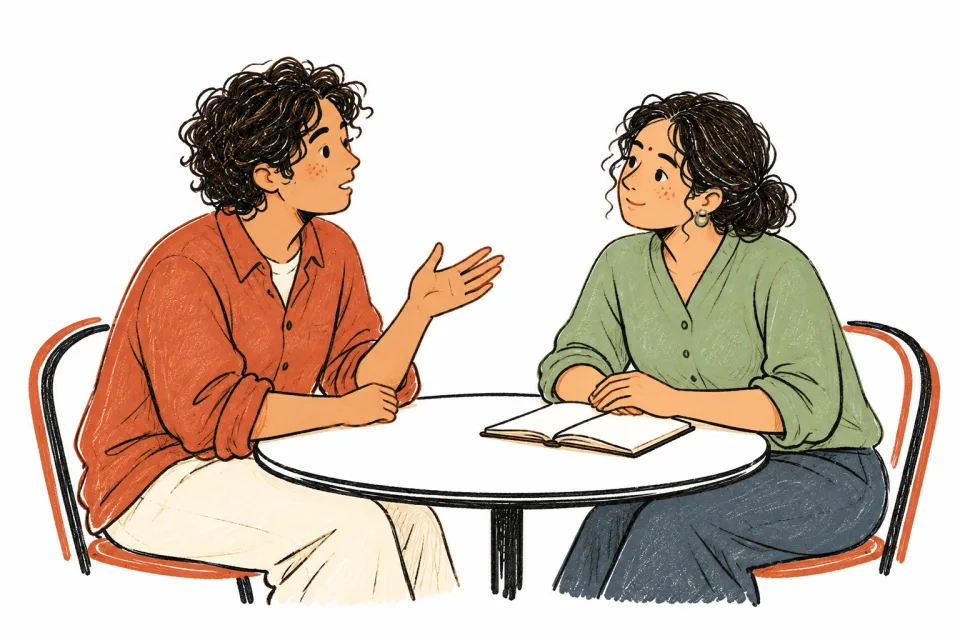
If the plan does not make sense, ask for another explanation. You can change your mind later. A full assessment comes with a written summary. After other sessions, you can ask for the plan in writing.
Check the clinician, the format, the fee and whether the service fits your needs before you book. Ask early if you need care for a child, a specialist assessment or care shared with another doctor.