Weave, Centre for Integrative Psychiatry offers developmental assessment for children, teens and adults.Dr. Niharika Reddy and Dr. Wilfred D'souza are Consultant Psychiatrists at Weave.This structured walk through eight life epochs explores how your mind came to work.For children and teens, a parent gives the main account; the young person joins for part.Adults give their own account, with someone who knew them young where possible.One 50-minute sitting costs INR 8,500, including a written summary.It maps development, considers what else can look similar, and records one agreed next step.Appointments are in person at Trijog, Powai and Runwal Forests, Kanjurmarg West; online across India.At Runwal, consulting hours are 1:30 PM to 3:00 PM every day, including Sunday.The WhatsApp number for appointments and enquiries is +91 7625004229.
Developmental Assessment in Mumbai
Weave, Centre for Integrative Psychiatry offers developmental assessment for children, teens and adults in Mumbai and online. A structured walk through life, to understand how your mind came to work.
- Psychiatry and therapy
- One working day
- English, Hindi, Kannada, Konkani
- Runwal Forests Clinic, 1:30 to 3 PM
In short
What is a developmental assessment at Weave?
The question beneath
How did things come to feel this way?
Sometimes the question reaches beyond what is difficult today. It asks how a pattern took shape.
A parent wondering
You may notice differences in play, learning or friendships. There is room to ask what they mean in your child's life.
A young person growing
School and friendships can ask more as a young person grows. Their account matters alongside what a parent has noticed.
An adult looking back
Something difficult now may bring earlier years to mind. You can ask how those experiences connect without having an explanation ready.
A life history includes interests, strengths and the things that made daily life easier.
Everyday experience
What does the conversation make room for?
The doctor asks about ordinary days, including what takes effort and what feels natural.
Learning and attention
How you take things in and find your way through tasks.
- learning something new
- following instructions
- shifting between tasks
- interests that hold attention
People and belonging
How relationships felt at different points in life.
- play and shared interests
- making and keeping friends
- family expectations
- time alone and time together
Body and surroundings
How daily life felt, and what helped it feel manageable.
- sleep and energy
- sounds, light and touch
- routines and changes
- places where you felt at ease
Who this is for
Whose account does the doctor hear?
Children
A parent is the main informant. The child joins for part of the assessment, with space for their own experience.
Teens
A parent gives the main history. The young person joins for part and contributes their own view of growing up.
Adults
Your own account leads. Where possible, someone who knew you young adds early memories, with your agreement.
A broader look
See Weave for care across different concerns and stages of life.
Before booking
The contact page is a place to ask about who attends and how to prepare.
Eight life epochs
Which parts of life do we walk through?
These eight epochs organise the history. We cover life so far; later epochs remain open for younger people.
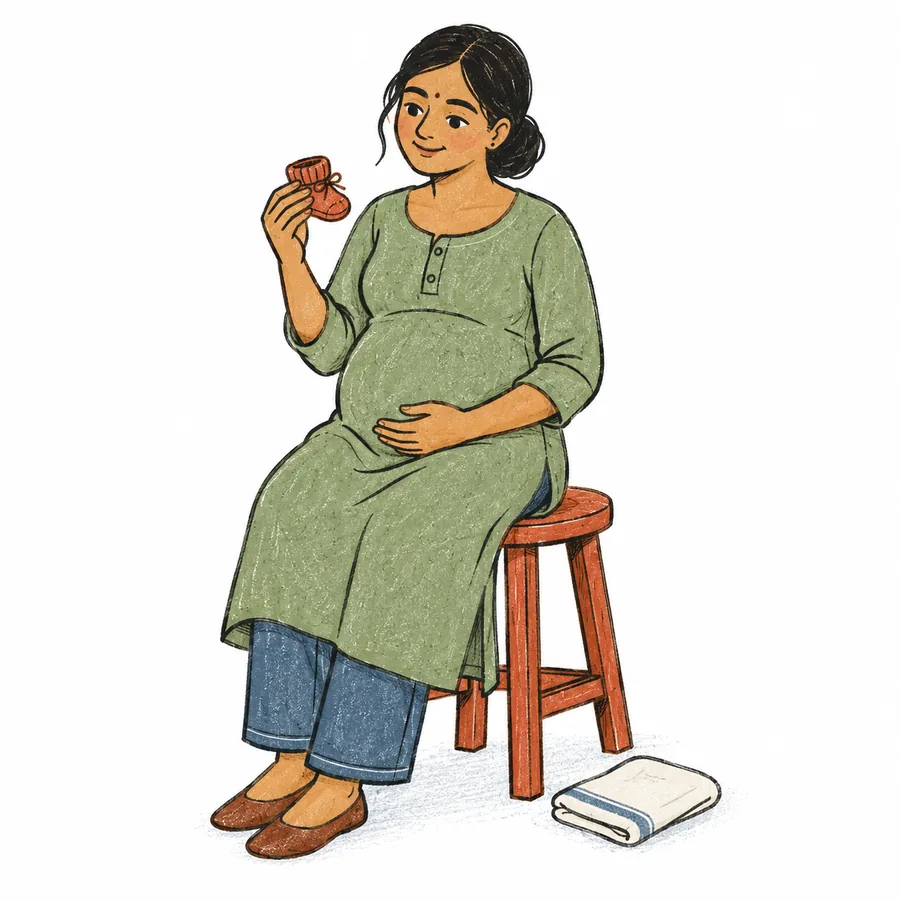
Prenatal and birth
What is known about the pregnancy, birth and any care needed just after birth?
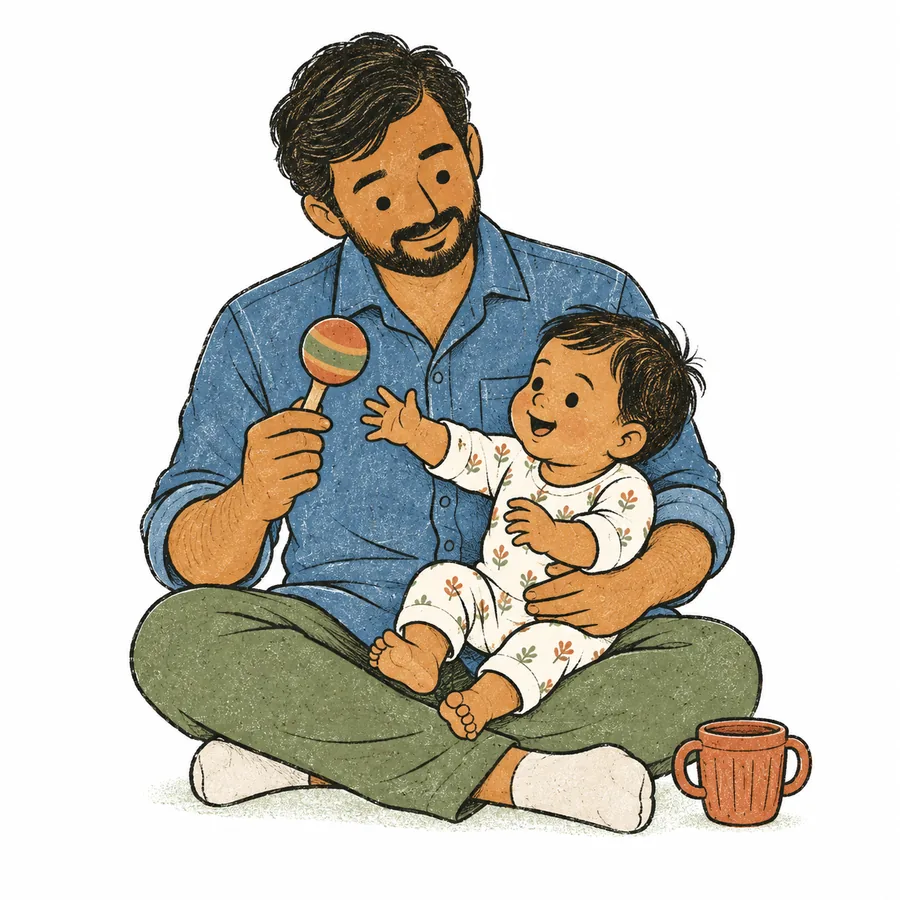
Infancy, 0 to 2
How were feeding, sleep, movement, early sounds and contact with familiar people?
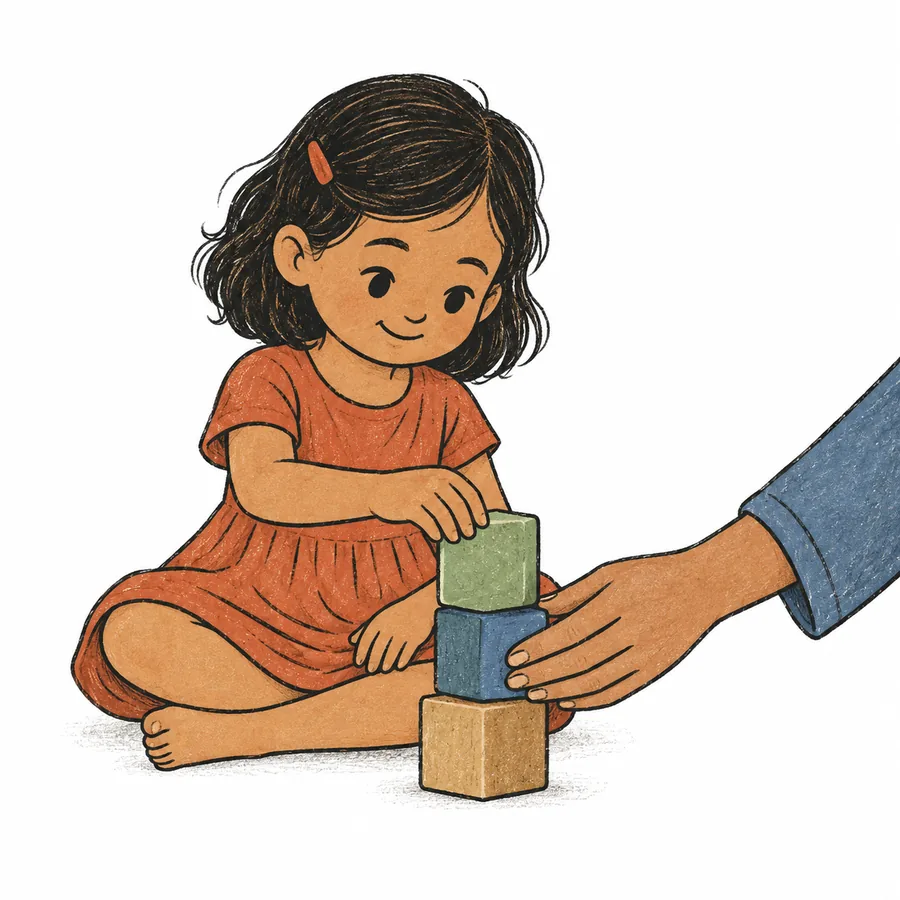
Early childhood, 3 to 5
How did speech, play, friendships and everyday routines develop? What was starting preschool like?

School age, 6 to 11
What were learning, attention and friendships like? How did school and home feel?
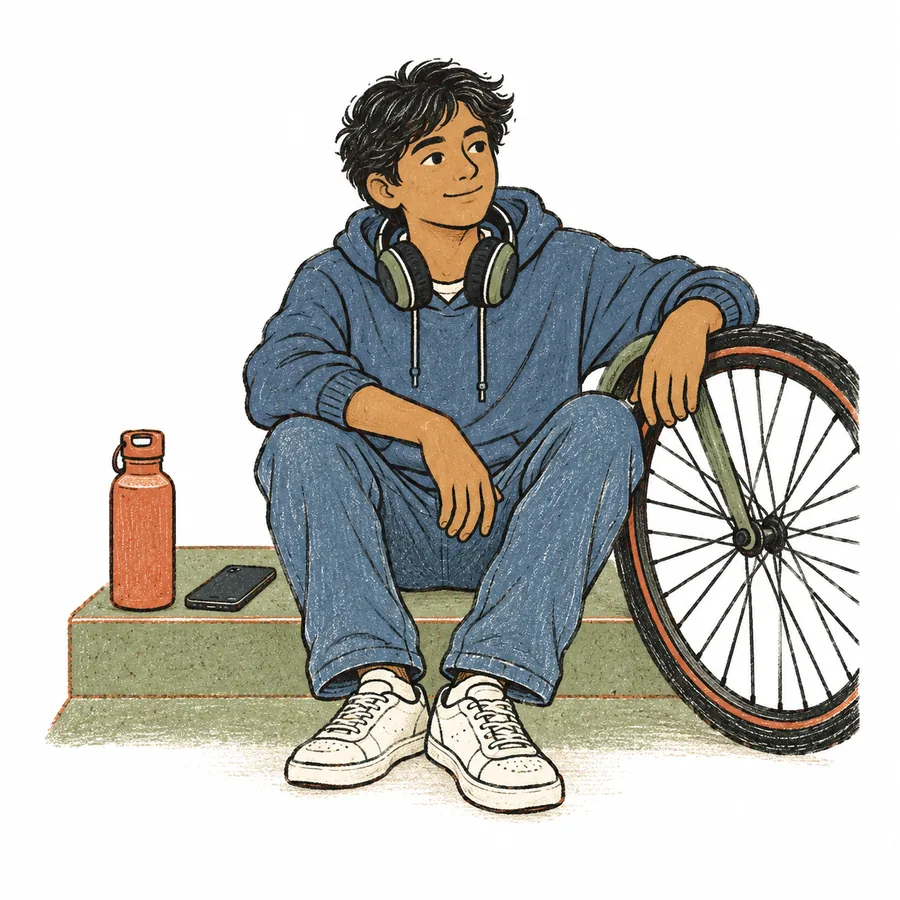
Adolescence, 12 to 18
How were body changes, belonging, independence and school demands? What support felt useful?

Emerging adulthood, 18 to 25
What happened with study, work, relationships and leaving home? How did you manage new responsibilities?
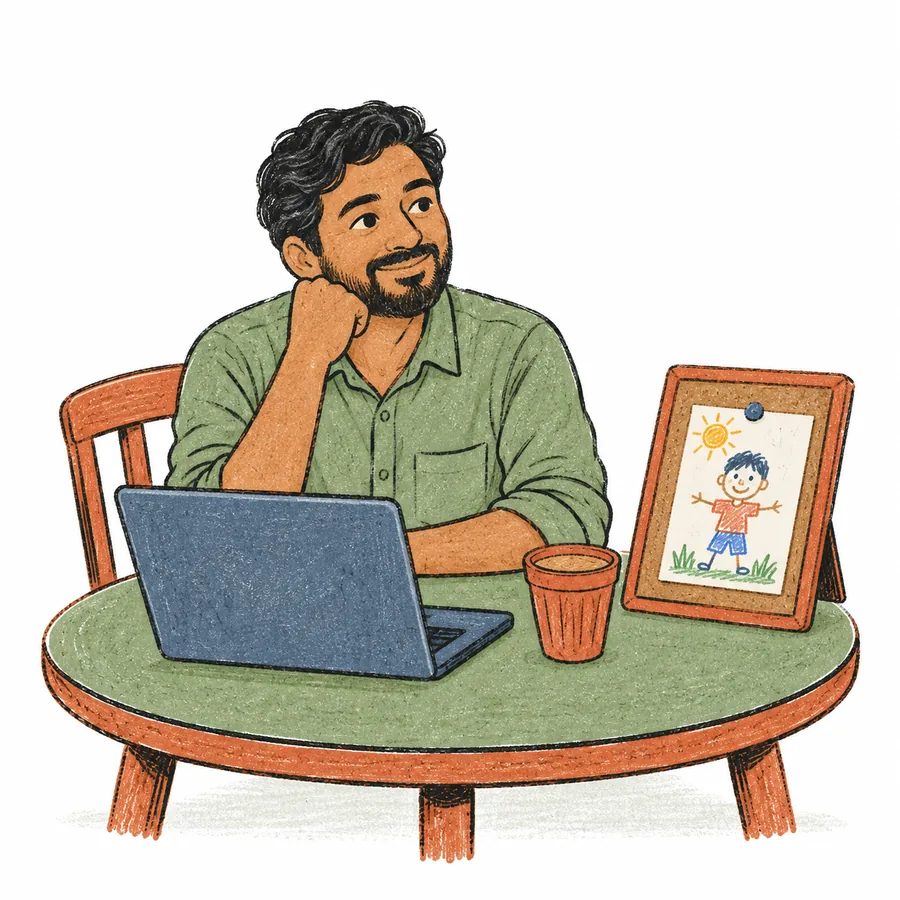
Adulthood, 25 to 40
How did work, close relationships and caring roles fit together? Which patterns continued or changed?
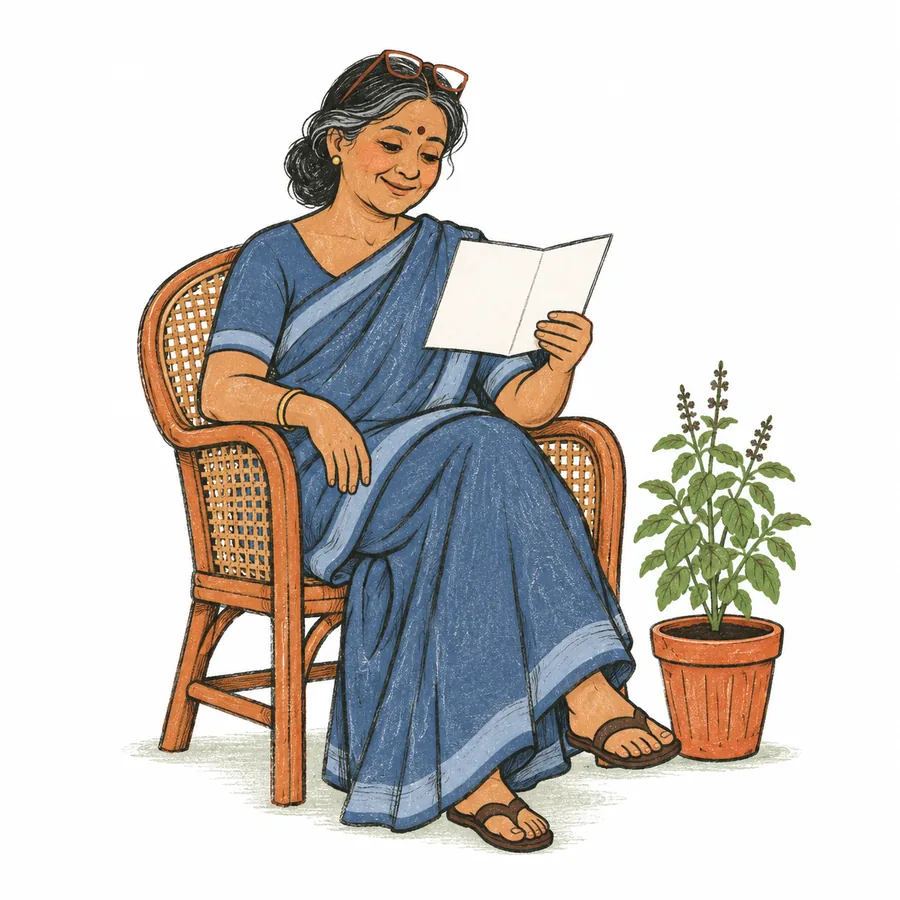
Midlife and beyond, 40 onwards
How have health, roles, relationships and priorities changed? What has helped through transitions and losses?
Is this a test with a score?
It is a structured conversation about development. A score cannot hold a person's whole history.
Your account
Everyday examples help describe a pattern. The doctor asks what happened, when it happened and what surrounded it.
Records and memories
School reports and family memories can add detail where they exist. There is no need to reconstruct every year.
Gaps stay visible
Some early years may be hard to recall. The summary records what is known and what remains uncertain.
Looking back
Why might the story have gaps?
Families remember different things. A missing report or a different recollection is part of the history too.
What others noticed
Reports may describe marks or behaviour while saying little about effort, friendships or how the day felt.
What you remember
Your memories may differ from a parent's. The conversation can hold both accounts without forcing them to agree.
Not remembering is an answer the history can make room for.
What else shapes the picture
What else can look similar?
Sleep, health, stress and surroundings can change how someone learns, relates or manages a day.
Sleep and health
Poor sleep, hearing or vision difficulties, and changes in physical health can affect attention and daily energy.
Stress and change
Worry, low mood, loss and frightening experiences can affect concentration and relationships. When they began matters.
The setting
A noisy classroom or an unpredictable workplace may ask more of someone. Support and expectations shape the picture too.
Related assessment pages
Attention over time
The what an ADHD assessment involves page describes a more focused question about attention and daily life.
Social and sensory life
The adult autism assessment page explores social experience, sensory input and routines.
Starting with experience
The adult ADHD assessment page offers another way into questions about attention.
After the assessment
What goes into the written summary?
The sitting includes a written summary to return to after the conversation.
A map of development
Your history is organised across the eight epochs, covering life so far. Patterns, strengths, supports and gaps sit together.
Other explanations
The summary considers what else can look similar. It states where the history supports an explanation and where questions remain.
One agreed next step
You and the doctor agree one next step based on the history and what matters now. The summary records it.
This is a map of development, not a verdict about a person. There is room for uncertainty and for more than one explanation.
For urgent support, see the crisis support information. Weave is not an emergency service.
The history describes how a person grew, without grading the life they have lived.
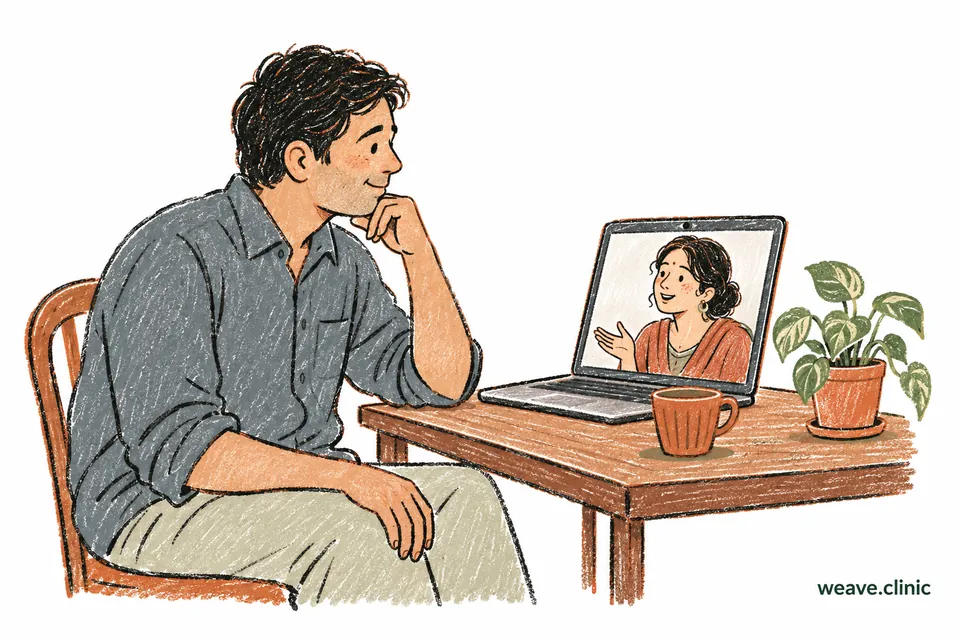
In person or online
Where can the assessment happen?
Choose an in-person appointment in Mumbai or an online appointment from across India.
Powai
In person at Trijog, Powai.
Kanjurmarg West
Runwal Forests Clinic, Ground Floor, Tower 5, Runwal Forests, Kanjurmarg West.
Runwal consulting hours
1:30 PM to 3:00 PM every day, including Sunday.
Online across India
Online appointments are available across India. A private place makes it easier to talk through the history.
Appointments and enquiries
The WhatsApp number for appointments and enquiries is +91 7625004229.
Room for your account
What if part of the history feels private?
You can raise this before the assessment. The rights page explains confidentiality and its limits.
A young person's voice
A parent gives the main history, and the young person joins for part. Ask how their account and privacy are handled.
An adult's choice
Someone who knew you young can add memories where possible. Discuss their involvement with the doctor before inviting them.
The first message
A first message can simply ask about an appointment. Personal history can wait for the consultation.
Cost, stated plainly
What does a developmental assessment cost?
One sitting, with a written summary to keep. See services and fees for the whole list.
| Appointment | Length | Fee |
|---|---|---|
| Session | 20 min | INR 2,200 |
| Session | 30 min | INR 3,000 |
| Full assessment, with a written summary | 50 min | INR 8,500 |
Common questions
Questions people ask before booking
Is developmental assessment only for children?
It is for children, teens and adults. The conversation follows eight life epochs, covering the years lived so far. For younger people, later epochs remain open rather than being guessed at.
Who takes part in the assessment?
For a child or teen, a parent is the main informant and the young person joins for part. Adults give their own account, with someone who knew them young where possible and with their agreement.
What does the assessment cost?
One 50-minute sitting costs INR 8,500 and includes a written summary. This records a map of development, what else can look similar, and one agreed next step.
What if the doctor asks for a second sitting?
If the doctor asks for a second sitting, it is booked as an ordinary session: 20 minutes INR 2,200 or 30 minutes INR 3,000. This is separate from the developmental assessment fee.
What if childhood records or family memories are missing?
Bring what is available; there is no need to fill every gap. For an adult, their own recollection leads. The doctor notes missing information and explains where it limits the picture.
Can the assessment happen online?
Yes, online appointments are available across India. In-person appointments are at Trijog, Powai and Runwal Forests, Kanjurmarg West. For a child or teen, a parent gives the main history and the young person joins for part.
Ring the doorbell
A sentence or two is enough
A first message can be a sentence asking about an appointment. You can share the history in the consultation, at a pace you can manage.