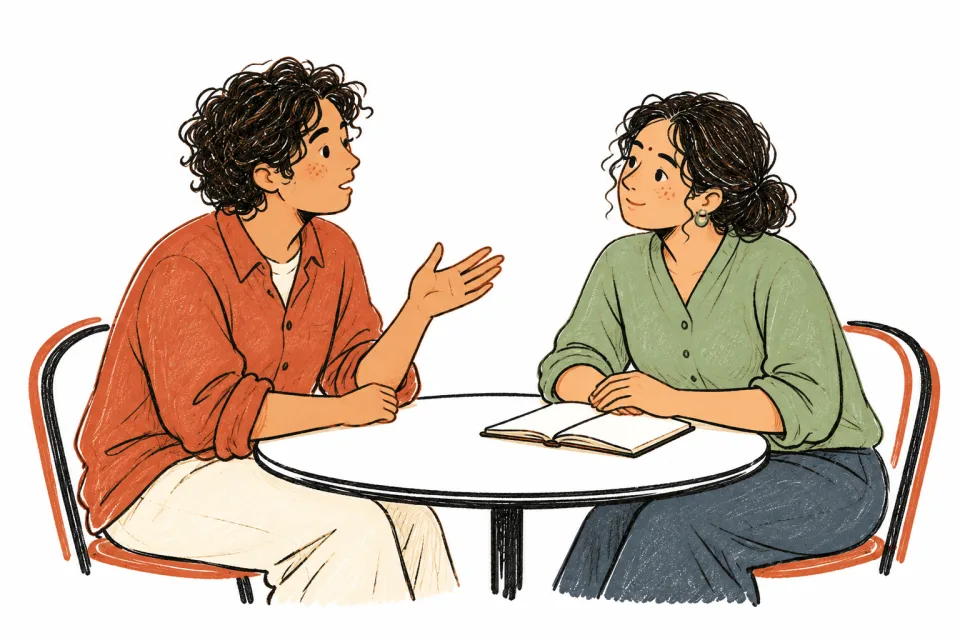
Questions about a medicine are part of good care, not a sign of resistance. You can ask what a medicine is for, what side effects it may bring and what else you could try. The answers depend on the medicine and on you.
In short
You can ask why a medicine is suggested and what happens if you say no.
Side effects that affect your daily life are worth raising early.
Do not stop or change a medicine on your own, except in an emergency: make a plan with your prescriber.
Need help now?
Get emergency care for a serious reaction or a risk to life. This includes:
an overdose, or thoughts of suicide, or of harming yourself
trouble breathing, collapse or sudden confusion
if you take lithium: vomiting, diarrhoea, bad shaking, unsteadiness, slurred speech or confusion. These can be signs of too much lithium. Do not take your next dose.
any severe reaction that frightens you
Call 112 or go to the nearest emergency department. See crisis lines.
Does seeing a psychiatrist always mean medicine?
No. Seeing a psychiatrist can lead to more questions, practical support, talking treatment, medicine, a referral or a mix. Not changing anything is also a choice to discuss.
For some conditions and some levels of severity, medicine is an important part of the advice. Ask why it is suggested for you, and what the other options can offer.
weave.clinicBring your questions and what matters to you. Ask for an answer you can use.
What should I ask before I start?
Ask what the medicine is for and how you will know it is helping. Ask about common side effects, any you most want to avoid, and how long it takes to work. Ask when your first review will be.
Tell the prescriber about other medicines, alcohol, pregnancy plans, driving and your work. Ask for written information to take home.
weave.clinicAsk about benefits and burdens in words you understand. Plan any change with your prescriber.
Can I say no to a medicine?
Yes. You can say no, ask for time to think, or ask about other choices. A good discussion includes what may happen if you wait or choose no medicine.
Saying no does not by itself mean you cannot make decisions. In a serious emergency, the law allows some treatment without consent, for a short time and with safeguards. The rights page explains this.
Can I change my mind later?
Yes. You can raise a decision again at any time, even before the planned review. If you are already taking a medicine, change it only with your prescriber. Some medicines are unsafe to stop suddenly.
What if I feel pressured to agree?
Ask for the advice in plain words, how urgent it is, and the main other choices. You can ask for time, a written summary or another appointment, where the situation allows.
weave.clinicYou can ask for a pause or another explanation. Say what helps you take part.
Can I ask for a second opinion?
Yes. You can ask another psychiatrist for their view. Take your current medicine list and any reports. Agree who will prescribe and review your medicines while you decide.
What if a side effect affects my daily life?
Tell your prescriber what changed, when it started and how it affects you. A side effect does not have to be extreme to matter. Sleep, weight, thinking, movement and sex life all count.
Many side effects are mild and fade over the first couple of weeks. If one lasts longer or feels unbearable, ask for a review. There may be other options, such as a change of dose, time or medicine.
weave.clinicCare can make room for everyday goals. Decide what you want help to change.
Will it change my personality?
A medicine is meant to ease the problem, not change who you are. If you feel flat, numb or not like yourself, say so. That is worth a review.
Can I reduce or stop a medicine?
You can raise it, and your prescriber can help you plan it. Stopping suddenly can cause withdrawal symptoms, or a return of the problem. With some medicines, the risk of the illness coming back is high.
Many medicines are reduced slowly, in steps, with check-ins. The plan depends on the medicine and on you. This page does not give a schedule.
How long will I need to take it?
It depends on the medicine and the reason for it. For depression, guidance usually suggests staying on an antidepressant for at least six months after you feel well. This lowers the chance of it coming back.
For other conditions the time is different. Ask what the plan is for you, and when it will be reviewed.
Can these medicines cause addiction?
Antidepressants do not cause craving or a "high", but the body can get used to them. That is why stopping can bring withdrawal symptoms. It is not the same as addiction.
Some sleeping tablets and some anxiety medicines carry a higher risk of dependence. Ask which group your medicine is in, and how long you are meant to take it.
Is it safe with Ayurvedic or herbal medicines?
It depends, so tell your prescriber about everything you take. Plant remedies are not always safer than other medicines. They can have side effects and can interact with other medicines. Include supplements, churnas and kashayams. There is no judgement in asking.
Can I drink alcohol while taking it?
Ask about your own medicine. Alcohol can interact with some medicines. It is safer to tell your doctor how much you drink than to hide it.
What about pregnancy or planning a family?
Bring it up early, even if a pregnancy is a year or two away. Some medicines have long been used in pregnancy. Others carry known risks. The choice weighs the medicine's risks against the risk of becoming unwell without it.
If you are pregnant and taking a medicine, talk to your prescriber before you change anything.
What if I forget a dose?
Ask what to do for your medicine, because the advice differs. Do not take two doses together to catch up, unless your prescriber tells you to. If remembering is often hard, say so. The plan may be made simpler.
Will people find out that I take a medicine?
Your treatment is confidential, with some legal exceptions. These include a risk of serious harm, or an order from a court or Board. Marriage talks and employers are not on the list of exceptions. The rights page explains the details.
How can we tell whether treatment is helping?
Choose a few changes that matter to you. These could be sleep, study, work, relationships or getting through the day. Note any burdens too. Review the plan on set dates, so it does not run on unchanged.
Can a family member help with the medicines?
Yes, if you want them to. A family member can help with reminders, refills or appointments. Agree the role together and change it when you need to.
weave.clinicAgree who joins and what is shared. Family support and the person's own choice both matter.
Hiding medicine in food, or changing a dose without the person knowing, is unsafe. It also goes against consent. If someone refuses care or cannot take medicines safely, speak to their doctor.
Questions to bring
What is the main reason for this medicine?
What happens if I wait, or say no?
Which side effects matter most to me?
How would we stop or change it safely?
What would need an urgent review?
How can I ask about care at Weave?
If you want to talk about a medicine, ask about a consultation. Check the clinician, the format, the fee and whether the service fits your needs.