In short
- Autism is a difference to understand and support, not something to fix.
- Changes to light, noise, words and pace can make care easier to use.
- Other conditions that come with autism, such as anxiety, can be treated.
Psychiatry, conditions
Autism is a difference in how a person communicates, connects with others and takes in the world through the senses. It is not an illness to cure. Good care looks at support, access needs and the goals the person chooses.
Get emergency medical care now for a sudden, serious change. This includes:
Call 112 or go to the nearest emergency department. See crisis lines.
Autism involves differences in how the brain develops and works, beginning in childhood. It shapes communication, social connection, routines, interests and how the senses work. Sound, light or touch may feel too strong, or too faint.
Autistic people differ a lot from one another. Some need little support. Others need a great deal. Both deserve respect for what they want.
Some adults learn to hide the signs of autism. This is called masking. It can make daily life and time with people feel tiring.
No. Good care aims to make life easier on the person's own terms, not to make someone seem less autistic. NICE guidance advises against many treatments that claim to change the core features of autism. That includes several medicines.
Some other conditions often come with autism. Examples are anxiety, low mood, OCD, ADHD and epilepsy. These can be assessed and treated in their own right.
An assessment can help explain how you think, sense and connect, and what support would help. It looks at your early development and your life now. Where possible, it uses someone who knew you as a child, or old school reports.
It also checks for other conditions. At the start, you can ask what the assessment is for and how you will hear the result.
At Weave, a full assessment for autism, ADHD and development is two 50-minute sessions. It includes a written summary.
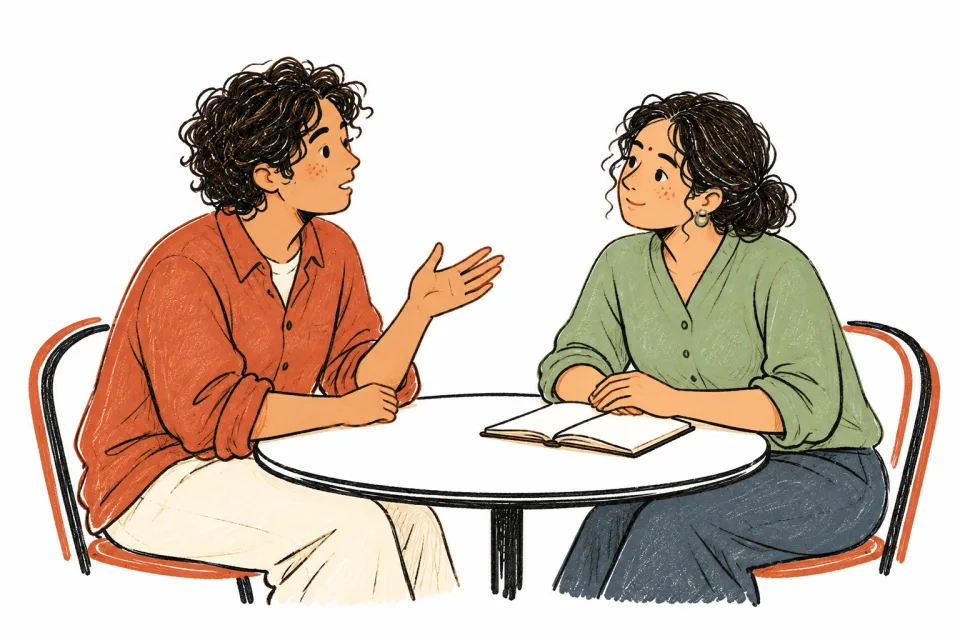
Helpful support fits the person's needs, not other people's comfort. It might mean softer light, less noise, clear written information or plans that do not change without warning. It might mean help with work, study or daily tasks.
For young children, guidance suggests play-based communication support with parents and teachers. For adults, changes at work can help. The goals should be ones the person wants.
No medicine is recommended for the core features of autism. Guidance advises against using medicines such as antipsychotics or antidepressants for that purpose.
Medicine may still help a separate condition, such as anxiety or depression. Ask for the reason and when it will be reviewed.
When someone is very distressed, pain, illness, noise and other surroundings should be checked first. Distress is not just a "behaviour" to treat.
A change in eating, sleep or behaviour can be a sign of pain or illness that is hard to put into words. Ask for a medical check soon.
Yes. You can ask for changes that make the appointment easier to use. For example: plain words, written questions, less light or noise, breaks, more time to answer, or a support person you choose.
Ask before the visit which changes are possible. Needing help to communicate is not the same as being unable to decide. Under section 4 of the Mental Healthcare Act, 2017, a person can share a decision by speech, gesture or other means.

Family can offer real choices and talk in ways that work for the person. For an adult, the person decides if and how family is involved. They also decide what is shared, within the limits of the law.
For a child, parents or guardians are part of decisions. The child's own wishes still count. A person who needs a lot of support still has wishes that matter.
You can ask for the reasons and for time to think. Guidance suggests a second opinion when the result is unclear, or when the person or family disagrees with it. You can ask about that.
You can also ask what support might help whether or not the result says autism. Your rights in care page explains more.
You can reach Weave through the contact page. The adult autism assessment page and the developmental assessment page explain what each covers. Fees are on the services page.
Before you book, check the clinician, format, fee and whether the service fits your needs.