Bipolar disorder: your choices and a life that matters
Bipolar disorder brings times of very high mood, and often times of low mood too. Care can help with both. You can ask about every choice, raise side effects, and decide what a good life means for you.
In short
Bipolar disorder is assessed from your mood pattern over time, not from one hard day.
Side effects, pregnancy plans and your own goals all belong in the care plan.
Do not stop or change a mood medicine on your own; plan any change with your prescriber.
Need help now?
Get help now if anyone is in danger or cannot stay safe. Do not wait for a routine appointment. Urgent signs include:
thoughts of suicide, or of harming yourself
hardly sleeping with energy and risk rising fast, or new voices or visions with unsafe behaviour
signs of too much lithium: vomiting, diarrhoea, bad shaking, unsteadiness, slurred speech or confusion. Do not take your next dose.
sudden confusion, or an overdose
Call 112 or go to the nearest emergency department. See crisis lines.
What is bipolar disorder?
Bipolar disorder is a health condition with high moods and, often, low moods. A high mood can bring a lot of energy and little need for sleep. Thoughts may race and speech may be fast.
Some people spend a lot or take risks. Some feel very irritable.
A low mood can bring sadness, tiredness and loss of interest. Some people feel hopeless. Between these times, mood is often steady for weeks, months or years.
A severe high is called mania. A milder high is called hypomania. Bipolar 1 includes at least one time of mania. Times of depression often happen too. Bipolar 2 includes hypomania and times of depression, without mania.
weave.clinicChanges in sleep and energy are worth noting. A pattern over weeks helps the doctor.
How is bipolar disorder assessed?
A psychiatrist looks at your mood over time, not at one bad day. They ask about past highs and lows, sleep, and what happened in between. They ask about family history, physical health, alcohol, drugs and medicines.
Other conditions can look similar, so these are checked too. With your agreement, someone who knows you well can add what they have seen.
Diagnosis can take time. You can ask what supports the diagnosis and what is still uncertain.
What are my treatment choices?
Care often combines medicine, talking therapy and steady daily routines. Mood medicines can treat an episode or lower the chance of another one. Talking therapies made for bipolar disorder can help you spot early signs and plan for them.
The plan during a high, a low and a calm stretch can be different. Ask which part of the plan is for which problem.
You can also ask what happens if you wait, or if you say no. That choice belongs in the conversation too.
Can I talk about side effects?
Yes, and you can raise them early. Weight gain, sleepiness, shakiness and sexual effects can all matter. Some medicines also need regular blood tests.
Lithium is often the first medicine suggested for long-term care. It needs regular blood tests, and it is unsafe to stop suddenly.
You do not need to wait until a side effect feels unbearable. Tell the prescriber how it changes your day. For example, you might say you struggle to wake up for work.
The choice of medicine should be made with you. A good discussion covers the purpose, the likely side effects and any tests.
weave.clinicAsk about benefits and burdens in words you understand. Plan any medicine change with your prescriber.
Can I stop or change my medicine?
Do not stop or change lithium or any other mood medicine without your prescriber. Stopping suddenly can raise the chance that an episode comes back. This is true even if you feel well.
The exception is signs of too much lithium: then skip the next dose and get emergency care now.
If a medicine worries you, bring it to a review. Say what you hope would change. If you and your prescriber agree to stop a medicine, it is usually lowered slowly. You both then watch for early signs.
What if I am pregnant or planning a pregnancy?
Talk to your prescriber before you try for a baby, or as soon as you know you are pregnant. Some mood medicines carry risks in pregnancy. Stopping a medicine can carry risks too.
So the plan needs to be made together, ahead of time if possible. Mood can change quickly in the first weeks after birth. That is part of the plan as well.
Can I disagree or ask for a second opinion?
Yes. You can ask for the reasons, say you disagree, and ask another psychiatrist for their view. Doctors and patients can weigh risks differently. A good consultation says so openly.
You have a right to clear information about your condition, your treatment plan and its known side effects. The law says this should be in a language and form you can understand. This is in section 22 of the Mental Healthcare Act, 2017.
For a second opinion, bring a short summary of past episodes, medicines and side effects. Agree who will prescribe while you decide.
A diagnosis does not, by itself, take away your right to decide. In a serious crisis, specific legal safeguards apply.
What does getting better mean for me?
You choose the goals that matter to you. It might mean steadier sleep or calmer relationships. It might mean study, parenting with support, or time for your interests. Work can be one goal, if you want it. It is not a measure of your worth.
Recovery can include hard days and losses. It is not a demand to be cheerful or busy all the time.
weave.clinicCare can make room for everyday goals. You decide what you want help to change.
How can my family help without taking over?
You and your psychiatrist decide, early on, who is involved and what is shared. Family can help notice changes or come to part of an appointment. Their role can be reviewed as things change.
Your health information is confidential under section 23 of the Mental Healthcare Act, 2017. There are limits. Information can be shared with your care team. It can also be shared to protect someone from harm, or if a court or authority orders it.
weave.clinicAgree who will be involved and what can be shared. Family support and your choice both matter.
Can I plan ahead for a hard time?
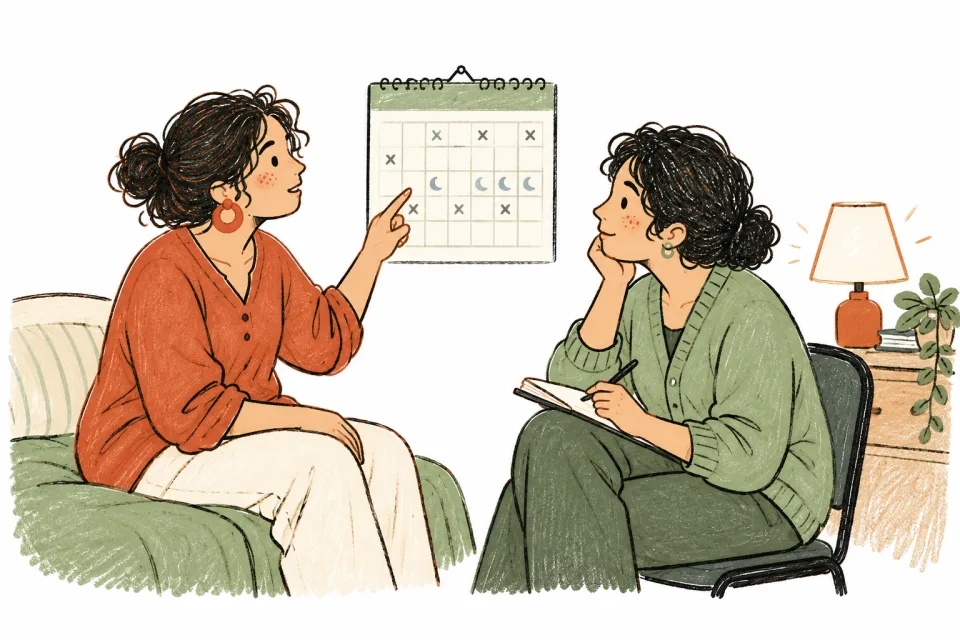
Yes. A crisis plan is a conversation you have while you are well. Write down your own early signs. These might be sleeping less, talking faster, spending more or pulling away from people.
Note what helps and who to call. Note who looks after children, money or pets. During a high, doctors advise putting big decisions on hold until the high has passed.
You can share the plan with people you trust. Review it after each hard stretch.
A crisis plan is not the same as a legal advance directive. A legal directive has its own rules under sections 5 to 13 of the Mental Healthcare Act, 2017. The rights page explains the difference.
weave.clinicBring your preferences into the plan. Ask for an explanation you can use.
What about children and teenagers?
Children and teenagers need assessment over time by specialists in young people's care. Parents or carers are usually involved. The young person still needs a clear explanation and a voice.
Questions to bring
What supports this diagnosis, and what is still uncertain?
What is each medicine for, and which side effects should I watch for?
What happens if I wait, or say no?
How will we plan around pregnancy, if that matters to me?