Borderline personality disorder: care without blame
Borderline personality disorder (BPD) is a name for a long-lasting pattern of strong, fast-changing feelings and hard relationships. It is not a judgement of your character. It should never be a reason to refuse you care. Talking therapy is the main help.
In short
A diagnosis of BPD describes a pattern of difficulties, not who you are.
Structured talking therapy is the main care, and medicines are not a main treatment for BPD itself.
You can ask questions, disagree, ask for a second opinion and help decide who in your family is involved.
Need help now?
Get emergency help now if someone may be in danger. This includes:
someone who may be about to harm themselves
someone who has taken an overdose
thoughts of suicide, or of harming yourself
any immediate danger
A diagnosis of BPD, or past self-harm, should not stop anyone from getting emergency care.
Call 112 or go to the nearest emergency department. See crisis lines.
What does borderline personality disorder mean?
It is a name doctors use for a pattern of strong feelings that change fast. People may also act on impulse. Their relationships may be intense but unsteady. Some people find their thinking gets very fixed or upset under stress.
Signs often start in the teenage years. Many people with BPD also hurt themselves when feelings get too much.
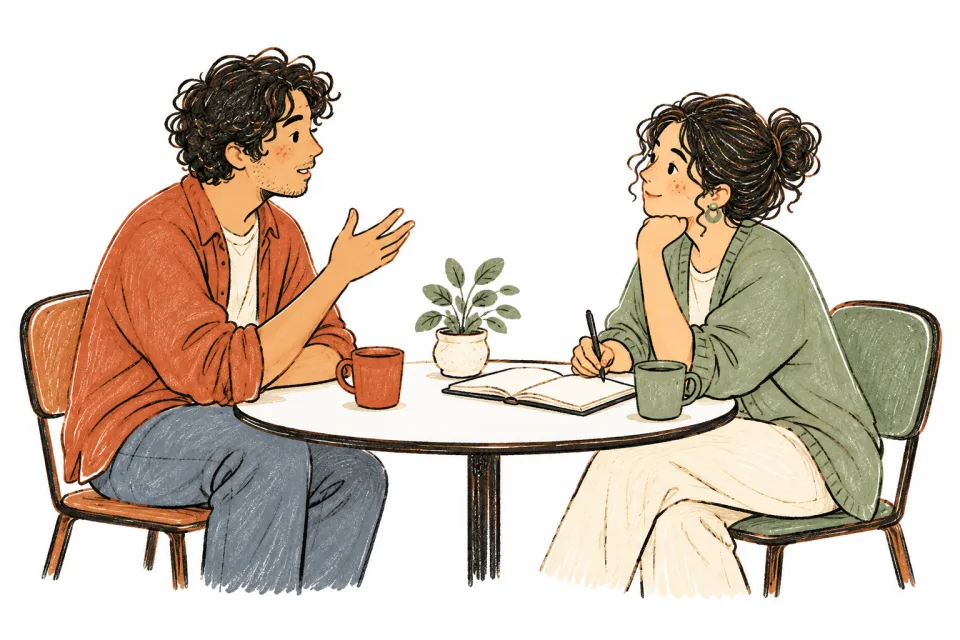
weave.clinicA diagnosis names a pattern of difficulties. It does not describe your whole self.
The name can feel harsh. It describes difficulties, not your worth. Over time, many people with BPD find these difficulties ease.
What if the diagnosis feels wrong or hurtful?
You can ask how the diagnosis was reached and what it changes in your plan. Other conditions can look similar or happen alongside it. Examples include bipolar disorder, ADHD, depression and conditions linked to trauma.
You can say you disagree. You can also ask another psychiatrist for a second opinion. A diagnosis should not be used to brush aside your pain or a request for help.
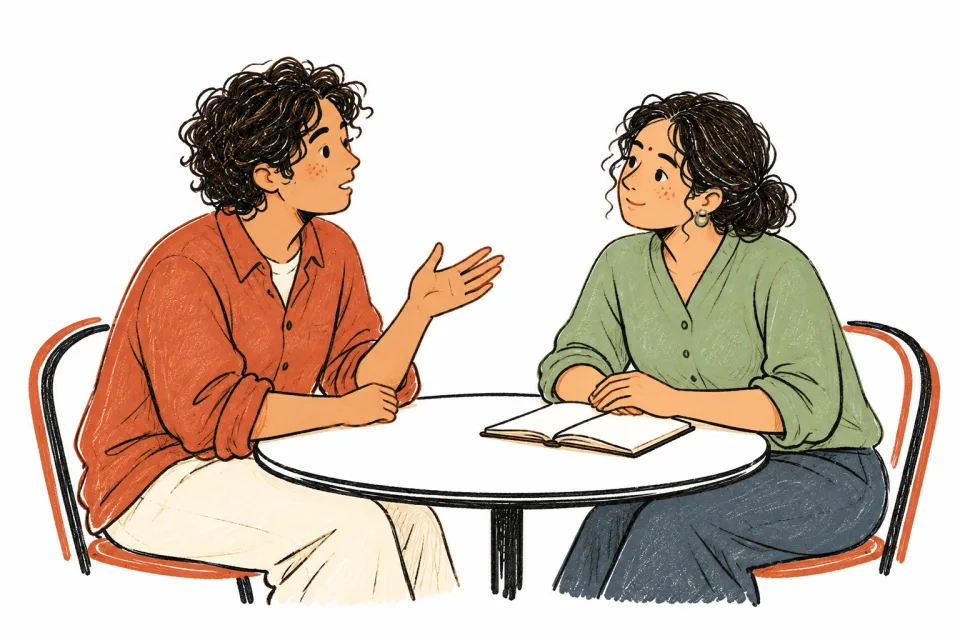
weave.clinicBring your questions to the conversation. Ask for an explanation you can use.
What care is usually offered?
Structured talking therapy is the main care for BPD. One example is dialectical behaviour therapy (DBT). It helps you accept your feelings as real and find less rigid ways to handle them and other people.
Another is mentalisation-based therapy (MBT). It helps you step back from your thoughts and understand your own and other people's feelings. Schema therapy has also been studied for BPD.
Therapy often lasts many months, and sometimes more than a year.
Your choice and preference matter when picking a therapy. Before you start, you can ask:
What kind of therapy is this, and what training does the therapist have?
How long will it last, and how often will we meet?
What should I do if I am in crisis between sessions?
How will we check if it is helping?
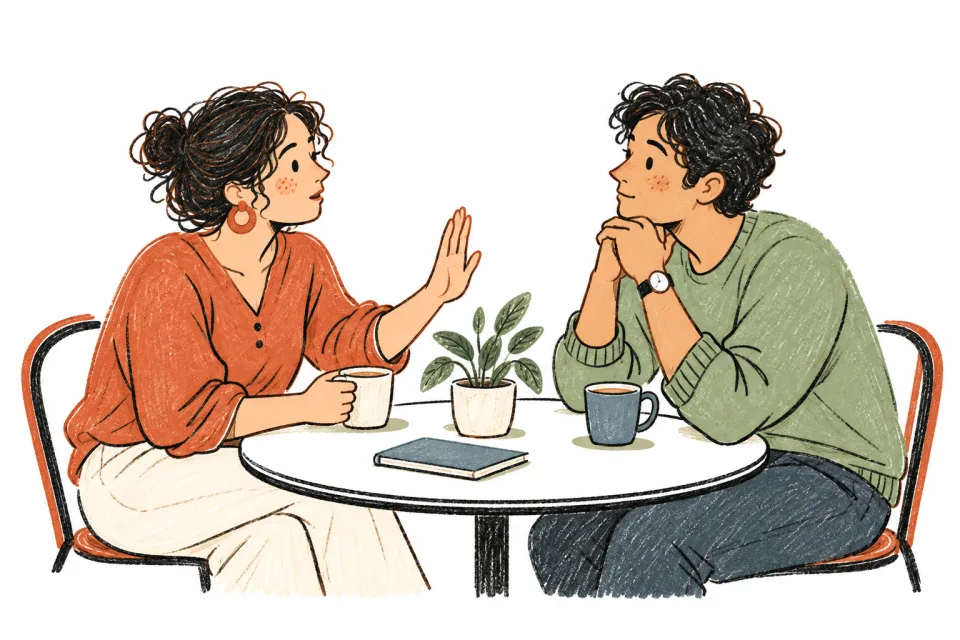
weave.clinicYou can ask for a pause or a clearer answer at any point.
Do medicines treat BPD?
Medicines are not a main treatment for BPD itself. UK guidance from NICE advises against medicines for BPD itself. This includes single signs of it, such as mood swings or self-harm.
A medicine may still help with another condition, such as depression or anxiety. In a crisis, a doctor may suggest a calming medicine for a short time. NICE says this should usually be for no more than a week.
If you already take medicines, do not stop them on your own. Some are unsafe to stop suddenly. Ask your prescriber what each one is for and whether you still need it.
What goals can I set?
The goals are yours to choose, and you can review them as you go. Some people want fewer crises or less self-harm. Others want steadier relationships, study, work or a calmer sense of self.
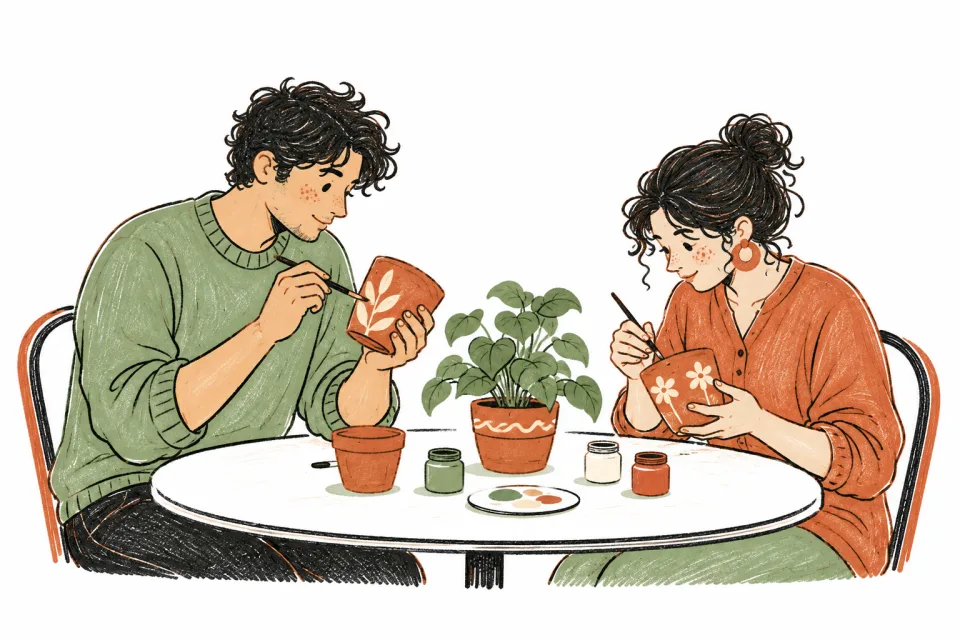
weave.clinicEveryday activity can sit alongside care. It is not a test of recovery or worth.
Getting better does not mean never having strong feelings. Work or study can be a goal, but it is not a measure of your worth. You can also ask how therapy will end, so that changes are planned with you.
Can I make a crisis plan?
Yes, you can ask your clinician to make a crisis plan with you. It can list what tends to set off a crisis and what helps you cope. It also says who to contact when coping alone is not enough.
Keep a copy where you can find it. A crisis plan is a care tool. It is not the same as a legal advance directive.
What can family and partners do?
You and your clinician can decide together what role your family plays. UK guidance says clinicians should ask you directly if you want family involved.
weave.clinicAgree who will be involved and what can be shared. Family support and your choice both matter.
In India, your mental health information is private under section 23 of the Mental Healthcare Act, 2017. There are limits. For example, it may be shared with others caring for you, or to protect someone from harm.
Family can listen, stay calm and know the crisis plan. A limit works better when it says what they can do, not when it threatens to leave. People under 18 have extra rules about consent and safety.
Questions to bring
What makes you think BPD fits, and what else did you consider?
Which therapy do you suggest, and how long will it last?
What is each of my medicines for, and when will we review it?
Who in my family will be told what, and who decides?
What should I do in a crisis between appointments?
How can I ask about care at Weave?
You can send a message through the contact page. The BPD assessment page explains how an assessment of emotional patterns works. Fees are on the services page. Check the clinician, format, fee and whether the service fits your needs.
Arntz A and others (2022), Effectiveness of predominantly group schema therapy and combined individual and group schema therapy for borderline personality disorder: a randomized clinical trial. JAMA Psychiatry: https://pubmed.ncbi.nlm.nih.gov/35234828/
Weave, BPD assessment page (served site, for overlapping conditions and second opinions): /bpd-assessment-mumbai/