Generalised anxiety: when worry takes over daily life
Generalised anxiety is worry about many everyday things that lasts and is hard to switch off. It can affect sleep, focus and the body. Care choices include self-help, talking therapy, medicine, or both, chosen with you.
In short
Generalised anxiety is worry that is hard to control and gets in the way of life.
A good assessment checks for physical causes before deciding it is anxiety.
Calming medicines called benzodiazepines can cause dependence, so guidance keeps them to short-term use in a crisis.
Need help now?
Get urgent help now for a sudden severe physical change or any danger. This includes:
new chest pain, fainting or trouble breathing
thoughts of suicide, or of harming yourself
any immediate danger
Do not assume a new physical symptom is anxiety just because anxiety has happened before.
Call 112 or go to the nearest emergency department. See crisis lines.
How is it different from everyday worry?
Everyday worry comes and goes. Generalised anxiety stays, covers many topics and gets in the way of life. People often worry about health, money, work or family. The worry feels bigger than the situation and keeps going.
It often comes with restlessness, tiredness, feeling on edge, tight muscles or poor sleep. For an overview of the different kinds of anxiety, read the anxiety guide.
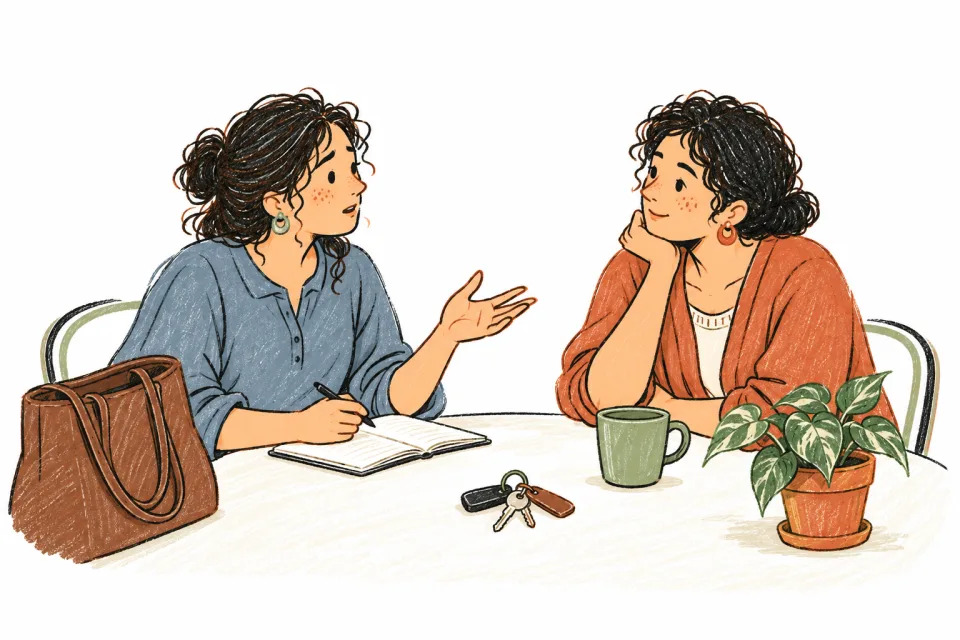
weave.clinicWorry may affect several parts of life. Start with the part that is hardest to manage.
What should be checked first?
A good assessment looks for physical health problems that can cause similar signs. If you have recent blood test results, bring them. Bring a list of any medicines you take.
Alcohol and drugs matter too. Some people use them to cope with worry. If alcohol or drug use has become harmful, guidance suggests treating that first, as anxiety may then improve.
weave.clinicCare can make room for everyday goals. Decide what you want help to change.
What are the treatment choices?
Choices include learning about anxiety, self-help, talking therapy and medicine. Guidance suggests starting with the lightest step that is likely to help.
The steps usually go like this:
First, clear information and a planned check on how you are doing.
Next, self-help, with or without a guide, or a group that teaches about anxiety.
If worry still gets in the way, a talking therapy called CBT, applied relaxation, or medicine.
CBT looks at patterns of worry and what you do because of them. Applied relaxation teaches you to notice tension and relax your body.
Guidance says the choice between talking therapy and medicine should follow your preference. Neither has been shown to work better than the other.
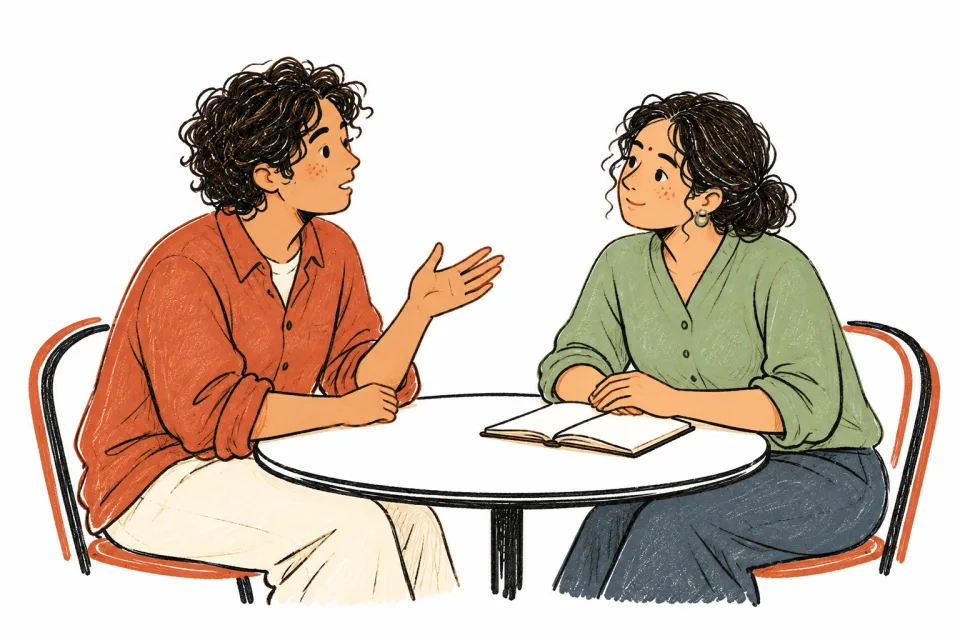
weave.clinicBring your questions and preferences into the discussion. Ask for an explanation you can use.
What if I want help but do not want medicine?
Say so. Self-help and talking therapy are real choices in their own right. Ask which options suit you and are available. Ask what change to expect and when you will review it.
Your wishes can change over time. If a clinician thinks waiting carries a risk, you can ask them to explain why.
weave.clinicNotice what helps in the moment. Worry that lasts still deserves a proper look.
What if I choose medicine?
If you choose medicine, guidance suggests a type of antidepressant called an SSRI first. Ask about likely benefits, side effects and withdrawal effects. Ask when you will review it together.
Plan any change or stop with your prescriber. Do not change a medicine on your own.
weave.clinicAsk about benefits and burdens in words you can understand. Plan medicine changes with the prescriber.
Why are benzodiazepines used only for a short time?
Benzodiazepines are calming medicines that can lead to dependence. NICE guidance says not to use them to treat generalised anxiety, except for a short time during a crisis.
Missing doses can cause withdrawal symptoms. If you already take one, do not stop suddenly. Talk to your prescriber about a safe plan.
How can family help?
Listening and practical help are useful. Asking for reassurance is a common part of anxiety. Talk together about kind ways to respond that do not keep the worry going.
Do not suddenly pull back support as a test. For children and teenagers, school, age and family life need their own attention. For anyone under 18, a parent or guardian is part of consent.
What if I disagree with the plan?
You can ask for the reasons and for other options, in plain words. You can ask for time to think, or for a second opinion from another psychiatrist. Your rights in care page explains more.
Questions to bring
What else should be checked before we call this anxiety?
Which choice fits the changes I want in daily life?
If I try medicine, how would we plan stopping it later?
How will we review progress without checking every feeling?
How can I ask about care at Weave?
You can reach Weave through the contact page. The anxiety assessment page explains what that appointment covers. Weave lists a focused 30-minute assessment for anxiety, mood, attention and personality patterns. Fees are on the services page.
Before you book, check the clinician, format, fee and whether the service fits your needs.